

As a trusted supplier of Decorative Wire Mesh, I'm excited to share a comprehensive guide on how to install decorative wire mesh on a composite material surface. Decorative wire mesh can transform the look of composite materials, adding an extra layer of style and functionality. Whether you're working on a residential or commercial project, the right installation process is crucial for a successful outcome.
Understanding the Basics of Decorative Wire Mesh
Before we dive into the installation process, let's take a moment to understand the different types of decorative wire mesh available. At our company, we offer a wide range of options, including Metal Decorative Wire Mesh, Metal Spiral Decorative Mesh, and Metal Woven Decorative Mesh. Each type has its own unique characteristics and aesthetic appeal, so choose the one that best suits your project's needs.
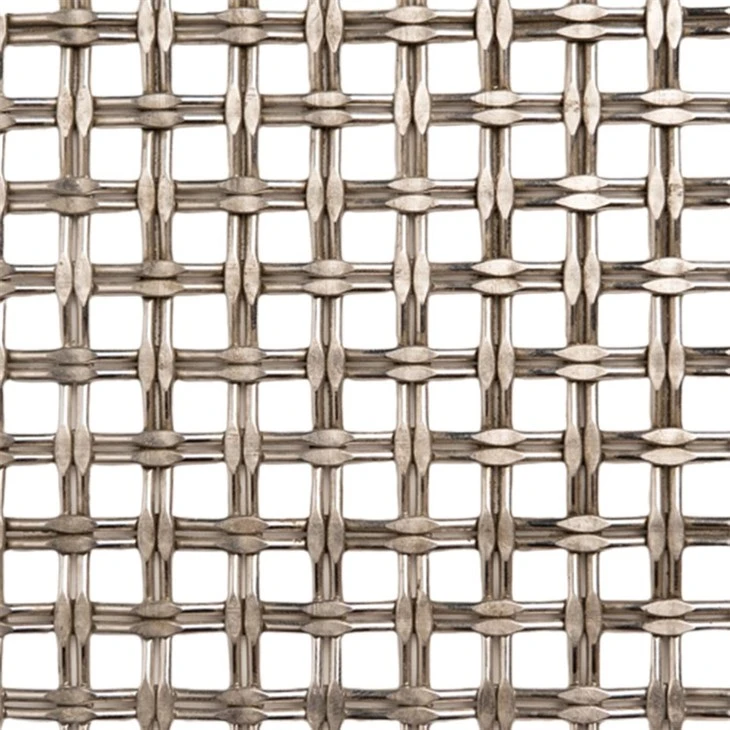
Metal Decorative Wire Mesh is known for its durability and versatility. It can be used in a variety of applications, from interior partitions to exterior facades. Metal Spiral Decorative Mesh, on the other hand, offers a more dynamic and eye-catching look. Its spiral design adds a sense of movement and depth to any space. Metal Woven Decorative Mesh is a classic choice, with its intricate patterns and textures creating a timeless and elegant appearance.
Pre-Installation Preparation
The first step in installing decorative wire mesh on a composite material surface is to prepare the surface. Start by cleaning the composite material thoroughly to remove any dirt, dust, or debris. This will ensure a strong bond between the mesh and the surface. You can use a mild detergent and a soft brush to clean the surface, then rinse it with water and allow it to dry completely.
Next, measure the area where you plan to install the wire mesh. Make sure to measure accurately, as any errors can result in a poor fit. Cut the wire mesh to the appropriate size using a pair of wire cutters. It's a good idea to cut the mesh slightly larger than the measured area to allow for some flexibility during installation.
Choosing the Right Adhesive
Once the surface is clean and the mesh is cut to size, the next step is to choose the right adhesive. The type of adhesive you use will depend on the type of composite material and the specific application. For most composite materials, a strong epoxy adhesive is a good choice. Epoxy adhesives offer excellent bonding strength and are resistant to moisture and temperature changes.
Before applying the adhesive, make sure to read the manufacturer's instructions carefully. Apply the adhesive to the back of the wire mesh in a thin, even layer using a putty knife or a trowel. Be careful not to apply too much adhesive, as this can cause the mesh to shift or bubble during installation.
Installing the Wire Mesh
With the adhesive applied, it's time to install the wire mesh on the composite material surface. Carefully place the mesh on the surface, starting from one corner and working your way across. Use a roller or a squeegee to smooth out the mesh and remove any air bubbles. Apply firm pressure to ensure a strong bond between the mesh and the surface.
Once the mesh is in place, use a utility knife to trim any excess mesh around the edges. Make sure to cut the mesh flush with the surface for a clean and professional look. Allow the adhesive to dry completely according to the manufacturer's instructions before moving on to the next step.
Securing the Edges
To ensure the long-term durability of the installation, it's important to secure the edges of the wire mesh. You can use a variety of methods to secure the edges, such as using metal clips, screws, or rivets. Choose the method that best suits your project's needs and the type of composite material.
If you're using metal clips, simply clip them onto the edges of the mesh and attach them to the surface using screws or nails. Make sure to space the clips evenly along the edges for a secure fit. If you're using screws or rivets, drill holes through the mesh and the surface, then insert the screws or rivets and tighten them securely.

Finishing Touches
Once the wire mesh is installed and the edges are secured, it's time to add the finishing touches. You can paint the wire mesh to match the color of the composite material or to create a contrasting effect. Make sure to use a paint that is suitable for metal surfaces and that is resistant to rust and corrosion.
If you want to add an extra layer of protection to the wire mesh, you can apply a clear coat or a sealant. This will help to prevent the mesh from tarnishing or corroding over time. Follow the manufacturer's instructions carefully when applying the clear coat or sealant.
Maintenance and Care
To keep your decorative wire mesh looking its best, it's important to perform regular maintenance and care. Clean the mesh periodically using a mild detergent and a soft brush to remove any dirt, dust, or debris. Rinse the mesh with water and allow it to dry completely.
Inspect the mesh regularly for any signs of damage or wear. If you notice any loose wires or damaged areas, repair them immediately to prevent further damage. You can use a pair of wire cutters to trim any loose wires and a small amount of epoxy adhesive to repair any damaged areas.
Conclusion
Installing decorative wire mesh on a composite material surface is a relatively simple process that can have a big impact on the look and functionality of your project. By following the steps outlined in this guide and using the right materials and tools, you can achieve a professional-looking installation that will last for years to come.
If you're interested in purchasing decorative wire mesh for your project, we invite you to contact us to discuss your needs. Our team of experts is here to help you choose the right type of mesh and to provide you with the support and guidance you need to ensure a successful installation. Let's work together to create a beautiful and functional space with decorative wire mesh.
References
- Manufacturer's instructions for epoxy adhesives and paint products.
- General guidelines for working with composite materials and metal wire mesh.
